Late HOA Tax Return? Form 1120-H Penalties and the Lost Election
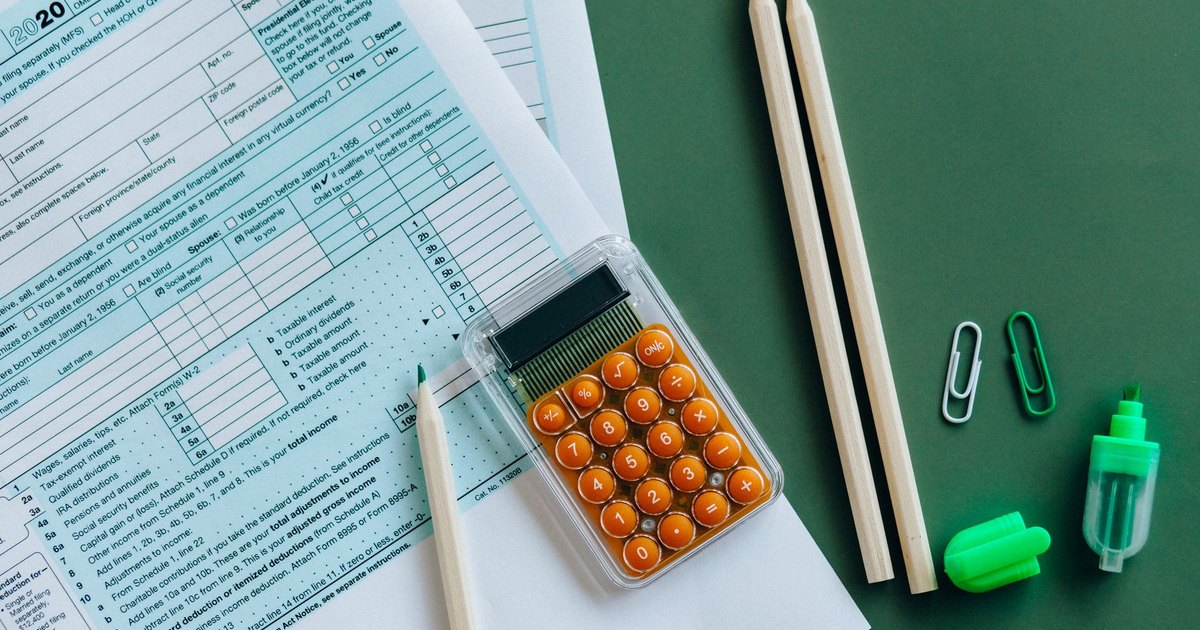
Quick answer: If your HOA files its federal return late, two things can happen. The IRS can charge a late-filing penalty of 5% of the unpaid tax per month (up to 25%), with a minimum penalty once the return is more than 60 days late, plus a separate late-payment penalty and interest. And the association can lose the right to file Form 1120-H for that year, which pushes it onto Form 1120. An automatic 12-month extension to make the 1120-H election exists, so the most important step is to file before that year runs out.
Most self-managed associations owe little or no federal tax, so boards assume a late return costs nothing. That is often true for the dollar penalties, but the minimum penalty and the lost election can still sting. Here is what the IRS instructions for Form 1120-H actually say.
The late-filing penalty
The IRS Instructions for Form 1120-H describe the late-filing penalty this way:
In addition to losing the right to elect to file Form 1120-H, a homeowners association that doesn’t file its tax return by the due date, including extensions, may be penalized 5% of the unpaid tax for each month or part of a month the return is late, up to a maximum of 25% of the unpaid tax.
The minimum penalty for a return that is over 60 days late is the smaller of the tax due or $525.
The minimum penalty is the part treasurers miss. For a small association that owes a modest amount of tax on interest income, the percentage penalty might be tiny, but once the return is more than 60 days late the penalty can equal the entire tax due. If the association owes no tax at all, a penalty based on unpaid tax is generally zero, which is one more reason to know your numbers before you panic.
The late-payment penalty and interest
Filing and paying are separate obligations. The instructions say:
An association that doesn’t pay the tax when due may generally be penalized ½ of 1% of the unpaid tax for each month or part of a month the tax isn’t paid, up to a maximum of 25% of the unpaid tax.
Interest is charged on taxes paid late even if an extension of time to file is granted.
An extension on Form 7004 gives the association more time to file, not more time to pay. If you expect to owe, estimate the tax and pay it by the original due date even if the return itself goes out later. Our Form 1120-H instructions guide covers the due dates, including the earlier deadline for associations with a June 30 fiscal year.
The bigger cost: losing the Form 1120-H election
Form 1120-H is an election, made year by year. The instructions say the election must generally be made by the due date, including extensions, of the income tax return. Miss it, and the association may have to file Form 1120 instead, where the section 528 treatment of exempt function income no longer applies and the math can come out worse.
There is a safety valve:
If the homeowners association fails to make the regulatory election to be treated as a homeowners association, it can get an automatic 12-month extension to make the section 528 election, provided corrective action is taken within 12 months of the due date (including extension) of the return.
In practice that means a late Form 1120-H is still available within one year of the due date, including extensions. After that window closes, plan on Form 1120 for that year. If your board has several unfiled years, the older ones will generally need Form 1120, so get help sorting out which form applies to which year. Our post on HOA tax-exempt status explains why most associations are not exempt and do need to file something each year.
Asking the IRS to remove a penalty
Both penalties are waived if the association can show reasonable cause. The instructions are specific about timing:
If the association receives a notice about a penalty after it files its return, send the IRS an explanation and we will determine if the association meets the reasonable-cause criteria.
Do not attach an explanation when the association’s return is filed.
Keep the explanation factual: what happened, when the board learned of it, and what it did to fix it. A treasurer resignation, a lost mailing or a records handoff gone wrong are common stories. Board minutes that show when the problem was discovered help, so it is worth recording the motion when the board votes to file the overdue returns.
A catch-up plan for a late HOA return
- Confirm the association’s EIN and which tax years are unfiled.
- Pull bank and reserve statements for each year and total the taxable income, mostly interest income for most associations.
- Decide the form for each year: Form 1120-H if you are still within 12 months of the due date including extensions, otherwise Form 1120.
- File the most recent year first and pay any tax due right away to stop the late-payment penalty and interest from growing.
- Watch for IRS notices, and answer any penalty notice with a reasonable-cause explanation.
- Put the next due date on the board calendar and add it to your year-end checklist.
If you would rather hand it off, Dynamite Management prepares Form 1120-H for self-managed associations for a flat $175, plus a flat $100 when a state return is needed.
This is general information, not tax or legal advice. Confirm the details for your association with a tax professional.
Keep reading
Is HOA Interest Income Taxable? Reserve Interest and Form 1120-H
Why interest on HOA reserve accounts is taxable when assessments aren't, how Form 1120-H calculates the tax, and what boards can do.
HOA Tax-Exempt Status: 501(c)(4) vs Form 1120-H
Why a nonprofit HOA usually isn't tax-exempt, when 501(c)(4) can apply, and how the Form 1120-H election works instead.
HOA EIN: Does Your Association Need One, and How to Get It Free
Why your association needs its own EIN, how to get one free from the IRS, and how to update the responsible party when the board changes.